
Super 8 Transfer Service Review Checklist
- Sabe Ellis
- 2 days ago
- 6 min read

A Super 8 transfer service review should answer one central question: can you trust this provider with film that cannot be replaced? For many West Virginia families, those small reels hold a child’s first steps, holiday gatherings, grandparents who are no longer here, or a family home that has changed beyond recognition. The right transfer service does more than create a video file. It handles aging film carefully, produces a watchable result, and makes the finished memories easy to share.
Super 8 film was made for home viewing, not for decades of storage. Even reels that look fine on the shelf can become brittle, warped, faded, dusty, or damaged at the sprocket holes. A low price may be appealing, but the real value is in professional handling, honest communication, and a transfer process suited to the condition of your film.
What a Super 8 Transfer Service Review Should Cover
A useful review is not just a star rating or a promise of "high quality." It should help you understand how the company treats original film, what is included in the quoted price, and what you will receive at the end. When comparing services, look past broad marketing claims and ask specific questions.
First, find out whether the service supports your exact film format. Super 8 and Regular 8mm are different formats, and some collections also include 16mm film. A provider should identify each reel correctly before work begins. If your reels are unmarked or mixed together, a knowledgeable local team can help sort out what you have.
Next, ask about inspection. Before film is transferred, it should be checked for broken splices, tears, shrinkage, mold, loose film, and other visible issues. Not every reel needs repair, but discovering a problem before it goes through equipment can prevent additional damage. If a repair is needed, the provider should explain the issue and the available options rather than simply proceeding without your approval.
The transfer method matters, too. Film should be captured using equipment designed for film transfer, not merely projected onto a wall and recorded with a camera. Professional film scanning or frame-by-frame capture generally produces a steadier, clearer image and avoids the flicker that often appears in basic projector transfers. The best approach depends on your film’s condition and the intended use of the final video, but a reputable service should be able to explain its process in plain language.
Quality is more than resolution
It is easy to focus only on whether a provider offers HD files. Resolution is valuable, especially if you want to watch your movies on a modern television or include clips in a family video project. Still, resolution alone cannot restore detail that has faded from the original film. A good transfer begins with careful capture and sensible image adjustments.
Ask whether color correction, brightness adjustment, and stabilization are included or available. Older Super 8 footage often has color shifts, underexposed scenes, or shaky moments. Light correction can make the film more enjoyable to watch without making it look artificial. Overprocessing can be a drawback, however. Family films should still feel like family films, not like modern footage with every grain and imperfection erased.
Sound is another point worth clarifying. Many Super 8 reels are silent, while some later films may have magnetic sound. Confirm whether sound, if present, can be transferred and whether there are any format limitations. If silent footage is being used in a tribute, memorial, or montage, music and narration can be added later as part of a separate editing project.
Comparing Price Without Missing the Details
A low advertised price does not always show the full cost of a film transfer. Some services charge by the reel, while others charge by footage length or running time. Either approach can be fair, but customers should know exactly what is included before sending in originals.
A clear estimate should address inspection, basic transfer, file delivery, storage media, and any optional restoration or repair work. Also ask whether there is a minimum order, a charge for blank leader film, or added fees for oversized reels. If you have a large collection, it may be helpful to inventory the reel sizes and labels before requesting a quote. A provider can then give you a more realistic estimate and a timeline that fits the project.
For some families, the best value is a straightforward transfer of every reel to digital files. For others, it is worth investing in editing, titles, organized folders, or a finished keepsake video. The right choice depends on how you plan to use the footage. If the goal is long-term preservation, complete files with clear labels may be the priority. If the goal is a family reunion, anniversary, or celebration of life, a professionally edited presentation may matter more.
Delivery should fit the way you watch
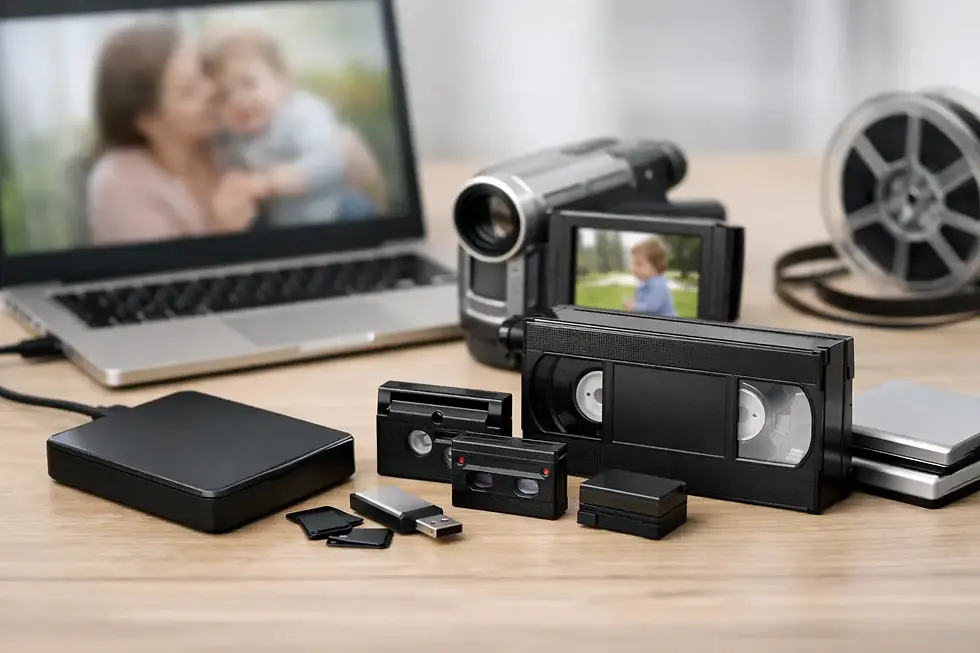
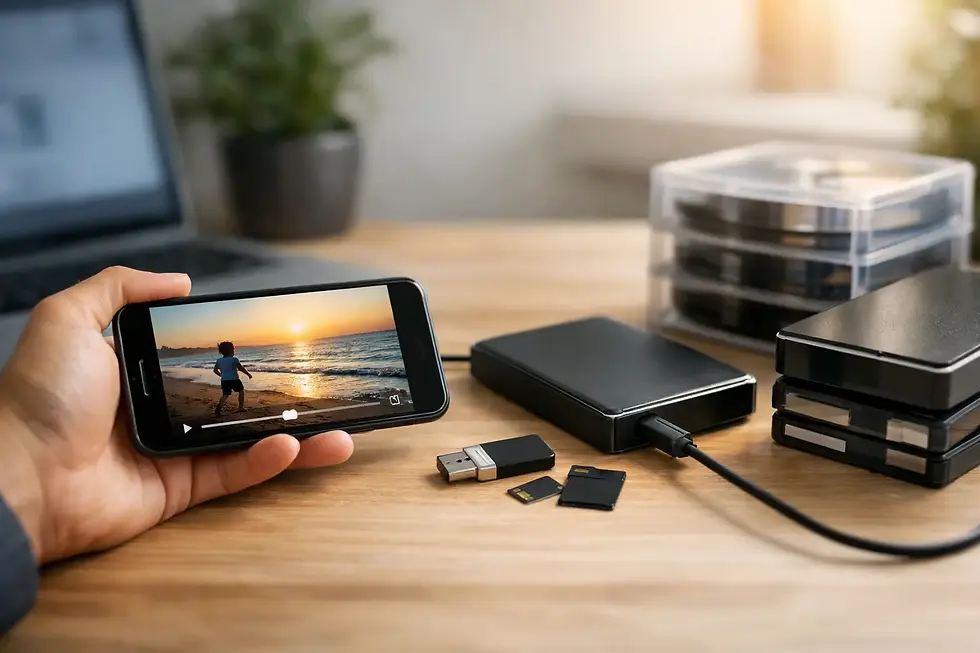
The final format should be convenient now and useful later. Digital video files are flexible because they can be copied, backed up, played on computers, and viewed on many smart TVs. A USB drive is often a simple option for families, especially when it is labeled and organized by reel, year, or event.
DVD may still be useful for relatives who prefer a familiar disc player, but it should not be the only copy. DVDs can be scratched, and playback equipment is becoming less common. Keeping digital files in more than one place gives your family better protection against future loss. A practical plan is to keep one copy at home, one backup copy in another safe location, and another in secure personal storage you can access when needed.
Organization is easy to overlook until you receive a folder full of unnamed video files. Ask how reels will be labeled. If you can provide dates, locations, and family names ahead of time, those details can help make the finished collection much easier to enjoy. Even simple file names such as “Christmas 1974” or “Lake Trip - Reel 2” save time for everyone later.
Local Service Can Make a Real Difference
Mail-in services can work for some projects, but shipping irreplaceable film can feel uncomfortable. A local provider gives you the opportunity to speak directly with the people handling your reels, ask questions before the project begins, and deliver your materials in person. That personal contact is especially valuable when the collection includes fragile film, unlabeled reels, or a mix of film, videotapes, slides, and photographs.
Digital Transfer Service of West Virginia works with Super 8mm, 8mm, and 16mm film as part of a broader preservation service. For customers with several types of media, having one knowledgeable team handle film, videotapes, audio tapes, slides, and negatives can make organizing a family archive much less complicated. It also creates an opportunity to combine clips and photographs into a meaningful finished video when the time is right.
Turnaround time should be discussed honestly. A provider that promises speed should still allow time for inspection, careful transfer, quality checking, and delivery. Fast service is helpful, particularly before a family event or memorial, but careful work should never be rushed at the expense of your originals. Ask for an expected timeframe and whether the company will contact you if it finds damage or an unexpected issue.
Questions to Ask Before You Hand Over Your Reels
Before choosing a provider, ask how the film will be inspected and cleaned, how repairs are handled, whether the transfer is frame-by-frame or projection-based, and what file format you will receive. Confirm the full price, expected turnaround, and how your reels will be labeled and returned. If you have concerns about privacy, storage, or footage containing sensitive family or business material, bring those up at the start.
You should also ask what happens if a reel cannot be transferred completely. Film can break, become too brittle, or have sections that are beyond recovery. A trustworthy service will be direct about limitations while working to preserve as much of the original as possible. No provider can promise to make severely damaged film perfect, but a professional can help you make informed decisions before work begins.
The best time to transfer Super 8 film is before a projector fails, a reel deteriorates further, or the person who knows the stories behind the footage is no longer available to identify it. Gather the reels, write down what you remember, and choose a service that treats every frame with the care it deserves.

Comments