
When Should Tapes Be Digitized? 7 Signs to Act
- Sabe Ellis
- Aug 12
- 5 min read

That box of VHS tapes in the basement may look unchanged from the outside, but the picture and sound recorded on them are aging every day. If you are asking when should tapes be digitized, the most practical answer is before you need to recover something from a tape that no longer plays.
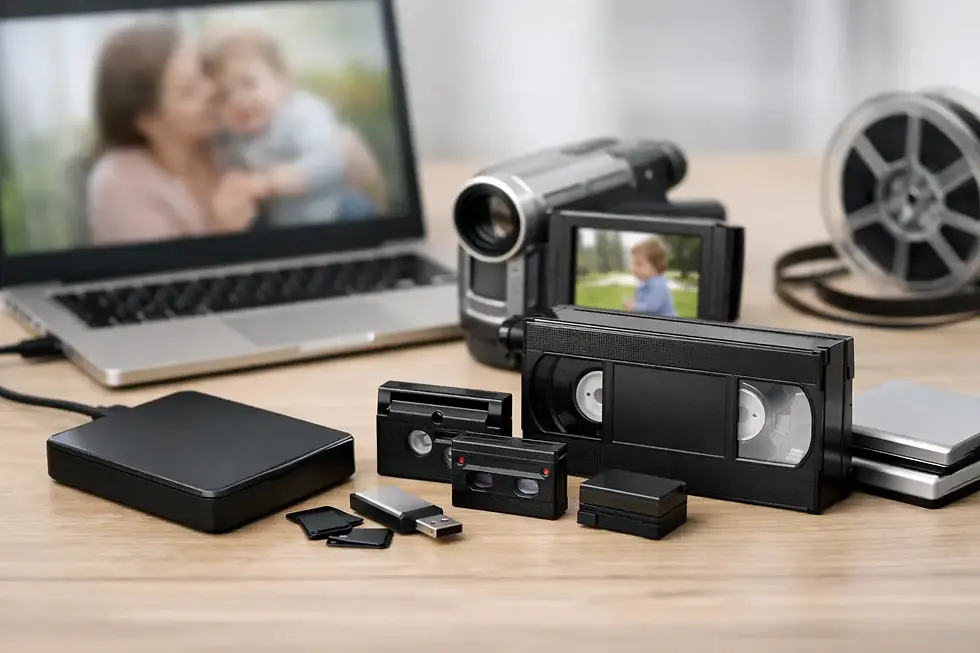
Videotapes and audio tapes were made to be used, not stored indefinitely. Heat, humidity, dust, repeated playback, and simple chemical aging can weaken the tape and affect the recording. Digitizing preserves what is still there today in a format that is easier to watch, share, edit, and back up.
When Should Tapes Be Digitized?
There is no single expiration date for every tape. A well-stored tape may still play after decades, while one kept in a hot attic or damp basement can develop serious problems much sooner. The right time to transfer is usually now if the recording matters to you, your family, or your organization.
Waiting can make the job harder. Some tapes can be repaired or carefully cleaned before transfer, but not every loss can be reversed. The goal is to capture the best available version while the tape, the equipment, and the playback knowledge are still available.
1. The tape contains an irreplaceable moment
Start with the tapes you could not replace: a wedding, a child’s first steps, a grandparent telling a story, a family reunion, a church service, or footage of a loved one who has passed away. For a business or organization, that may be an old promotional video, recorded interview, event coverage, training material, or historical documentation.
A tape does not have to look damaged to deserve prompt digitization. If losing it would be painful or disruptive, it belongs near the top of the transfer list.
2. You see mold, residue, warping, or a damaged shell
Visible mold is a clear reason to stop and seek professional help. Do not put a moldy tape into a home VCR or camcorder. Mold can spread to the machine and other tapes, and forcing playback can scratch or damage the tape surface.
Other warning signs include a cracked cassette shell, loose tape, warped reels, a broken leader, sticky residue, or labels that have fallen off. These issues do not always mean the content is lost. They do mean the tape should be handled carefully before anyone presses play.
3. Playback has become unreliable
A tape that produces static, flickering, rolling images, muffled audio, dropouts, or tracking problems is telling you not to wait. Sometimes the problem is the playback machine rather than the tape, but it still deserves attention. Old VCRs and camcorders have their own aging parts, including belts, heads, and motors.
Avoid repeated attempts to make a troubled tape play. Each pass through a poorly functioning machine can add wear. A professional transfer service can evaluate the tape and use format-appropriate equipment to capture it with greater care.
4. Your old playback equipment is gone or failing
Many families still have tapes but no longer have a working VCR, camcorder, or cassette deck. Even when a machine is available, it may not be the correct one. VHS-C, Video8, Hi8, Digital8, MiniDV, Betamax, and full-size VHS tapes require different equipment or adapters.
The hardware needed to play older formats is becoming harder to find in dependable condition. Digitizing now removes the pressure of keeping aging playback equipment alive just to revisit your own recordings.
5. The tapes have been stored in difficult conditions
A climate-controlled closet is better than a garage, car, attic, shed, or basement. Extreme temperatures and moisture can affect tape materials and encourage mold growth. Flooding, smoke exposure, and water leaks require especially careful handling.
If your tapes have spent years in one of those locations, move them to a cool, dry indoor space. Keep them upright in their cases and away from direct sunlight, magnets, and food or drink. Then arrange for an assessment and transfer rather than assuming they are fine because the boxes appear intact.
6. You need the footage for a project or family event
Digitization is not only about preservation. It also makes old recordings useful again. Families often transfer tapes before milestone birthdays, memorials, reunions, anniversaries, or graduation celebrations. Once footage is digital, it can be included in a photo and video montage, trimmed into shorter clips, or shared with relatives without mailing the original tape around the country.
Organizations and small businesses may need older footage for a website, social media campaign, presentation, documentary, training update, or anniversary project. A digital file is far more practical than a tape sitting in a cabinet, especially when several people need access to it.
7. You have too many tapes to sort later
A large collection can make the task feel easy to postpone. The better approach is to begin with a simple priority order: irreplaceable family recordings first, fragile or questionable tapes second, and everything else after that.
You do not need to identify every clip before starting. Labels such as “Christmas 1994,” “Dad interview,” or “Company picnic” are helpful, but a professional transfer team can work with limited information. Getting the collection safely digitized gives you time to organize, name, edit, and share the files afterward.
Why Tape Digitization Is More Than a Format Change
A digital transfer does not magically restore details that were never recorded or repair every flaw created over decades. If a home movie was dark, shaky, or noisy when it was filmed, those characteristics may remain. What digitization does is preserve the current playable signal before more deterioration occurs.
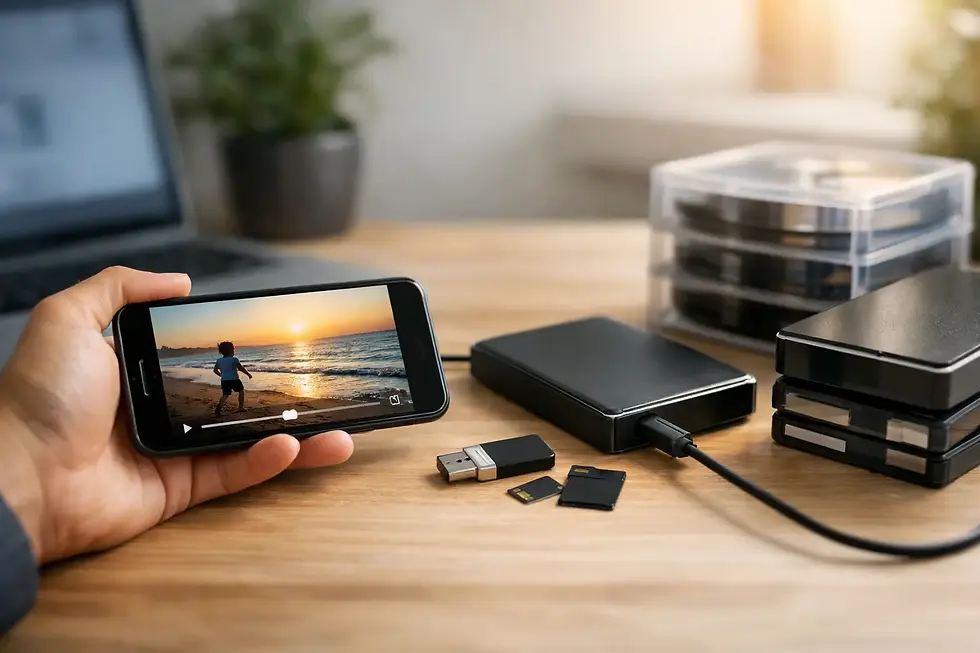
It also gives you options. You can keep files on a computer, external drive, USB device, or other storage media, and create more than one backup. You can make copies for family members without risking the original. For commercial or nonprofit archives, digital files can be incorporated into current editing workflows instead of requiring a legacy tape deck whenever footage is needed.
The original tapes should usually be retained after transfer, at least until you have reviewed the digital files and created backups. They are the source material, and future improvements in restoration may make them valuable. Store them properly, but do not rely on them as your only copy.
Choosing the Right Transfer Approach
A low-cost home converter may be enough for a tape that is not especially important and plays cleanly on equipment you already own. The trade-off is time, variable capture quality, and the risk of using an aging machine that has not been serviced. Real-time transfer also means a two-hour tape takes roughly two hours to capture, before file organization or troubleshooting begins.
For important, damaged, or unfamiliar formats, professional handling is usually the safer choice. Ask whether the provider works with your specific tape type, can assess damaged tapes, and offers delivery formats that fit how you plan to use the footage. A family may prefer easy-to-share digital files, while a business may need files suitable for editing, duplication, or presentation use.
At Digital Transfer Service of West Virginia, the focus is on making this process straightforward: careful handling of legacy media, modern digital delivery, and personal service for both household collections and business archives. Fast turnaround is valuable, but careful evaluation matters most when a tape shows signs of damage.
A Practical Way to Get Started
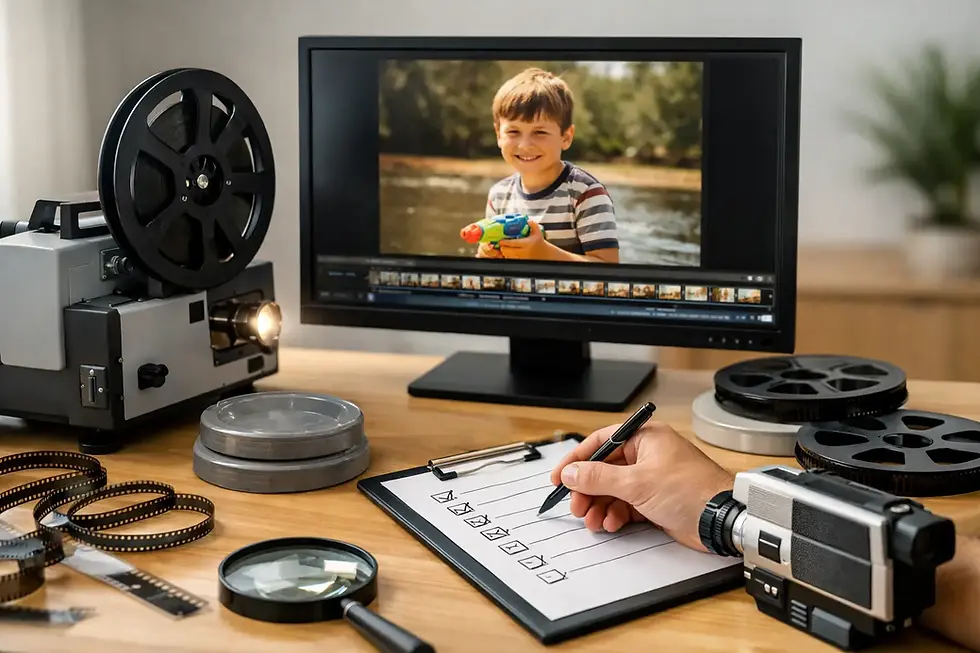
Gather your tapes in one place and separate them by format if you can. Write down anything you know about the contents, particularly tapes that may be fragile, contain one-of-a-kind material, or are needed by a certain date. Do not rewind, fast-forward, or test a damaged tape repeatedly just to check what is on it.
If the collection is large, begin with the tapes that hold the most meaning or the greatest operational value. Once those are safely digitized and backed up, the remaining tapes become a manageable project instead of a source of worry.
The best time to preserve a recording is while it can still be played with care. A tape sitting quietly on a shelf may hold a voice, a face, or a piece of history that deserves to be part of the next family gathering or the next chapter of your organization.
Comments